
North Carolina DUI Records
North Carolina keeps DUI records through its court system in all 100 counties. The state calls this charge Driving While Impaired, or DWI, under its general statutes. Most people still use the term DUI when they look for these records. You can search DUI records online through the NC Court Records Portal or visit a Clerk of Superior Court office in person. District Courts handle most DWI cases since they are charged as misdemeanors. This guide walks you through how to find, search, and get copies of DUI records across North Carolina.
North Carolina DUI Records Quick Facts
North Carolina DUI Records Sources
DUI records in North Carolina are held by the Clerk of Superior Court in each county. The clerk keeps all criminal case files, and that includes DWI charges filed under G.S. 20-138.1. These files hold the charging document, court dates, plea records, and the final judgment. District Court handles most first-offense DWI cases in North Carolina. Superior Court takes over when the charge rises to a felony, such as habitual impaired driving under G.S. 20-138.5.
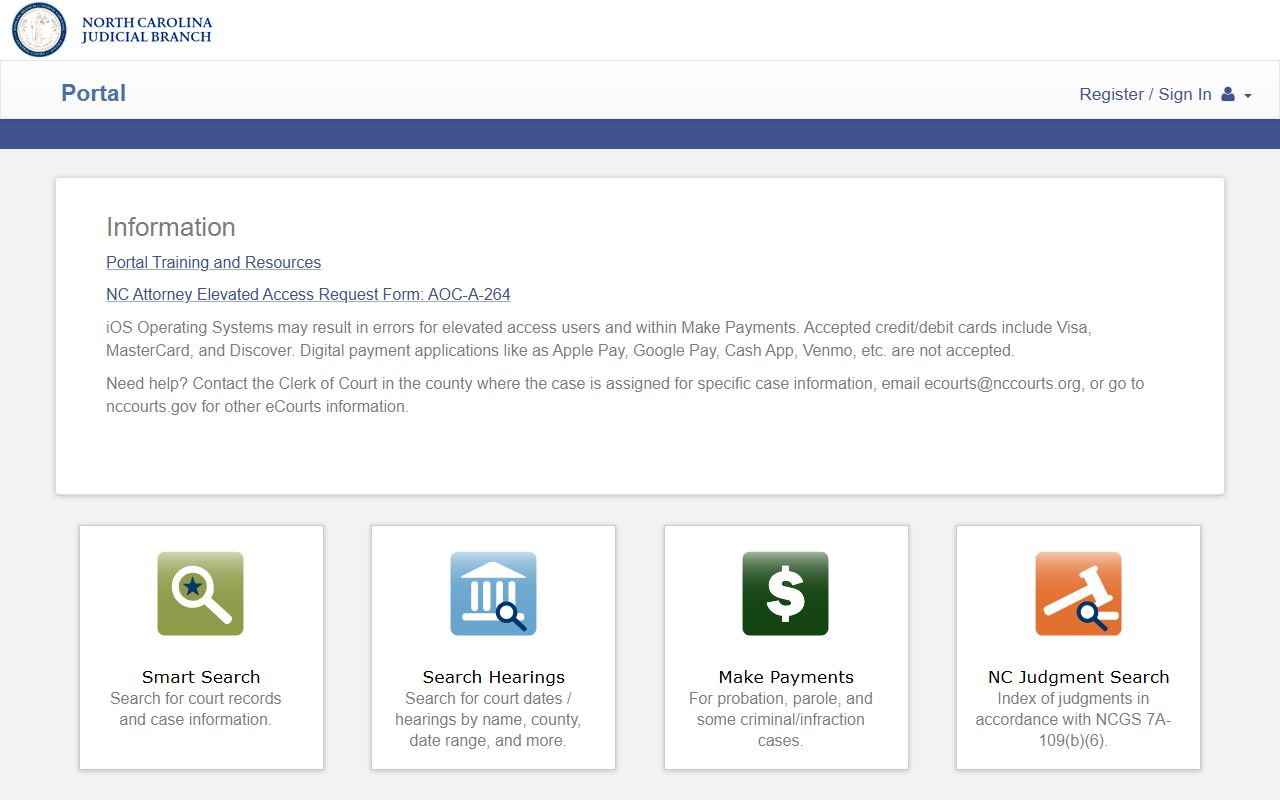
The NC Court Records Portal is the main online tool for searching DUI records statewide. It lets you look up cases by name or case number across all 100 counties. The portal shows basic case data like charges, court dates, and case status. It does not give you full documents, though. For those, you must go to the clerk's office or send a mail request.
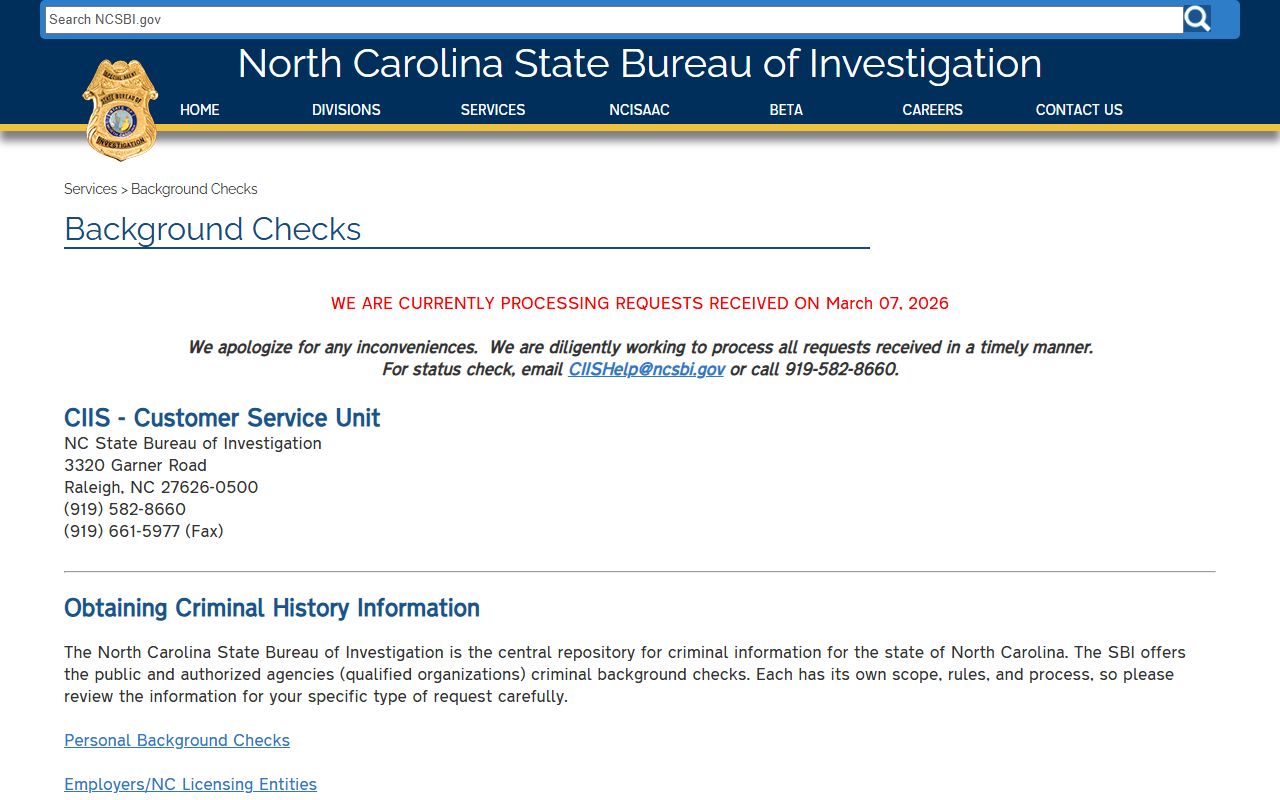
The NC State Bureau of Investigation also keeps criminal history records. You can request a statewide background check through the SBI for $14 using a fingerprint card. This search covers DWI records and other criminal charges filed anywhere in North Carolina.
Note: The online portal is for case lookups only and does not replace an official background check from the Clerk of Superior Court.
How to Search DWI Records Online
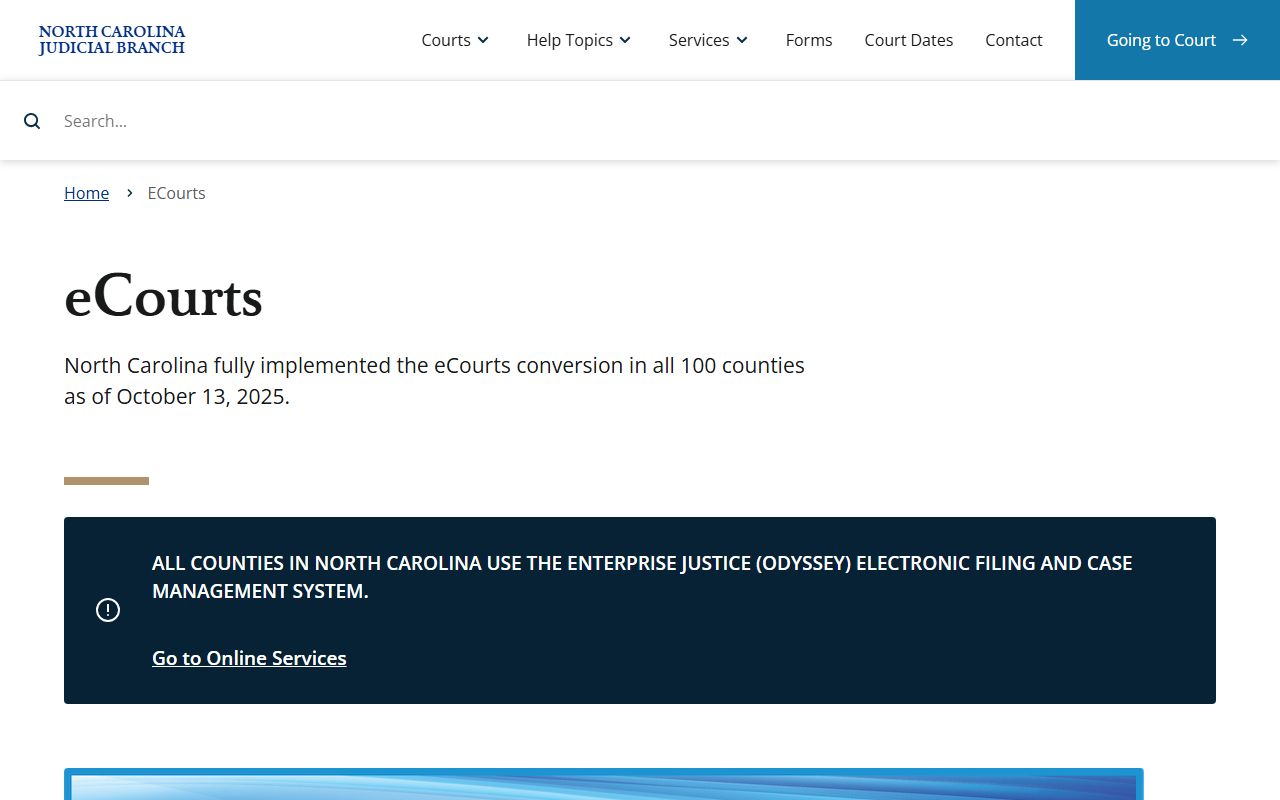
The fastest way to find DUI records in North Carolina is through the eCourts system. North Carolina has been rolling out eCourts across the state. This platform gives the public free access to case information around the clock. You can search from any device with an internet connection. The system covers both District and Superior Court cases, which means most DWI records are in there.
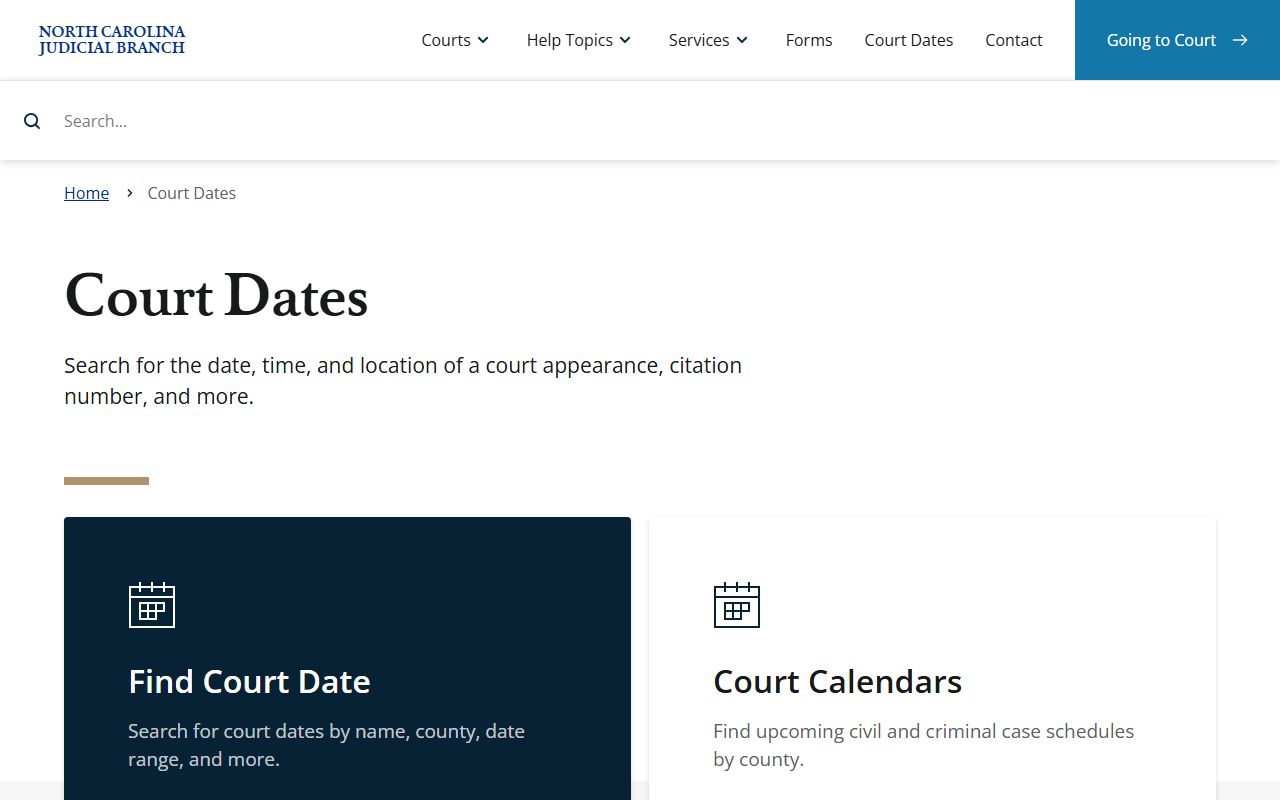
To search for a DWI case, go to the NC Court Records Portal. Type in the full name of the person you want to look up. You can also search by case number if you have it. The results will show the charge, the court where it was filed, and the current status of the case. For DUI records in North Carolina, look for charges listed under G.S. 20-138.1 or G.S. 20-138.2 for commercial vehicle cases. You can also check court dates through the NC Courts website to see when a DWI case is set for hearing.
Keep in mind that not all documents are available online. The portal shows case summaries but may not include arrest reports, lab results, or witness statements. You will need to contact the county clerk for copies of the full DWI case file in North Carolina.
Types of DUI Records in North Carolina
North Carolina DUI records come in several forms. Each type serves a different purpose. The kind you need depends on what you plan to do with it. Here are the main types of DWI records you can get in North Carolina.
The criminal court file is the most complete DUI record available. It contains the magistrate's order, the charging document, any motions filed by the defense, and the final judgment. If the case went to trial, the file also holds the verdict. For cases that ended in a plea, you will find the plea agreement. The court file is stored at the Clerk of Superior Court in the county where the DWI charge was filed. Under G.S. 20-179, North Carolina uses six sentencing levels for DWI cases. Level One is the most severe, and Level Five is the least. The judgment will show which level the court assigned based on factors like prior offenses and the driver's blood alcohol level at the time of arrest.
A certified criminal record check is another type of DUI record in North Carolina. The Clerk of Superior Court runs these searches using form AOC-CR-314. The cost is $25 per name. This check shows all criminal charges in that county, including DWI offenses. It lists the charge, the date, and the outcome. Many people need a certified check for legal proceedings or personal review in North Carolina.
- Criminal court case file with full DWI charge details
- Certified criminal record check from the Clerk of Court
- SBI statewide criminal history report
- DMV driving record showing DWI-related suspensions
- Arrest reports from local law enforcement agencies
North Carolina DWI Laws Overview
North Carolina uses the term Driving While Impaired rather than DUI. The main law is G.S. 20-138.1, which makes it illegal to drive with a blood alcohol concentration of 0.08 or higher. It also bans driving while under the influence of any impairing substance. This applies to drugs as well as alcohol. For commercial drivers, the limit drops to 0.04 under G.S. 20-138.2. Drivers under 21 face a zero-tolerance rule in North Carolina.
When a driver is stopped for a possible DWI in North Carolina, implied consent law kicks in. Under G.S. 20-16.2, every person who drives on North Carolina roads has already agreed to submit to a chemical test if an officer has probable cause. Refusing the test triggers an immediate civil license revocation under G.S. 20-16.5. This revocation lasts at least 30 days and is separate from any criminal penalties. The officer can take the license right at the scene. A driver who refuses will also face a one-year revocation from the DMV.
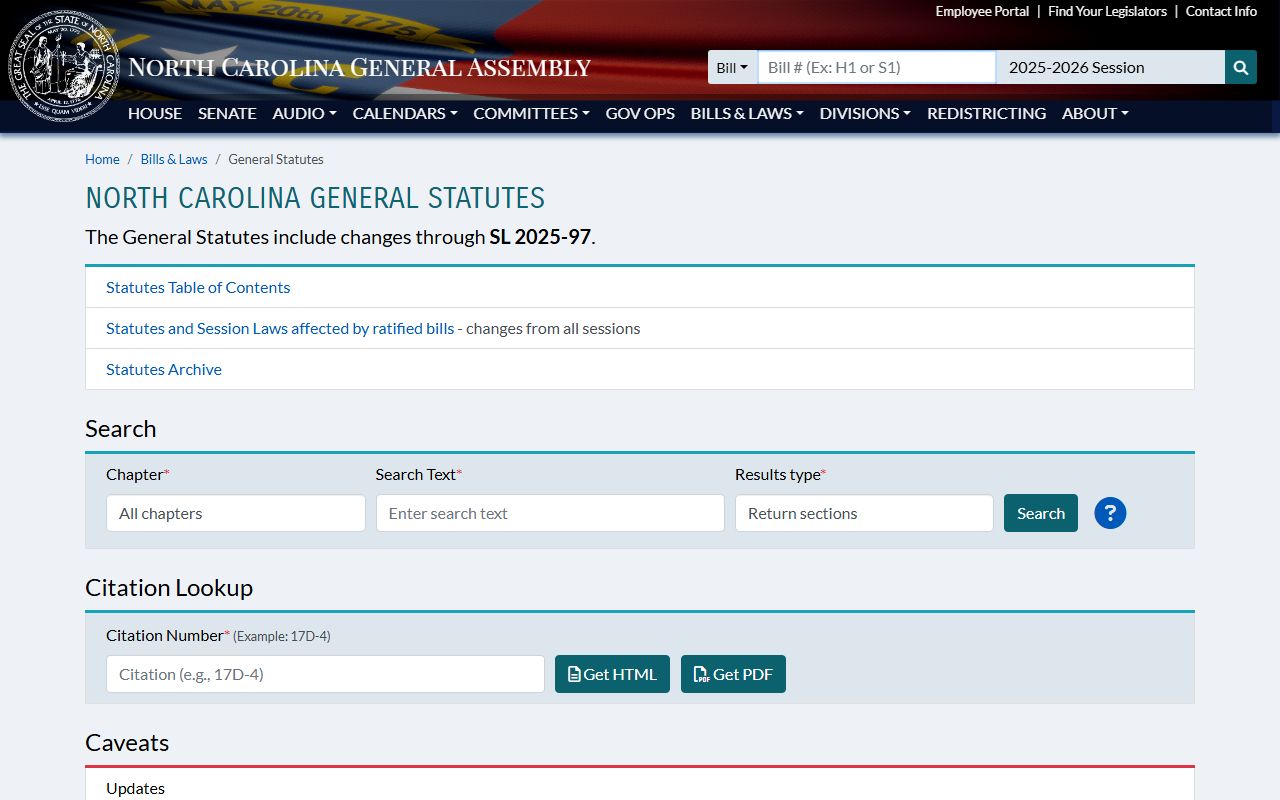
Sentencing for DWI in North Carolina follows a structured system laid out in G.S. 20-179. There are six levels. The court weighs grossly aggravating, aggravating, and mitigating factors to pick the right level. A first offense with no aggravating factors often lands at Level Five, which carries a fine of up to $200 and up to 60 days in jail. Level One applies when grossly aggravating factors are present, such as a BAC of 0.15 or higher, a prior DWI within seven years, or driving with a child in the car.
Repeat offenders face much harsher penalties in North Carolina. G.S. 20-138.5 covers habitual impaired driving. This charge applies when someone gets a fourth DWI within 10 years. It is a Class F felony. A conviction can mean up to 59 months in prison. These records are handled in Superior Court rather than District Court. After any DWI conviction, the driver can apply for limited driving privileges under G.S. 20-19 to travel to work or school while their license is revoked.
Get Copies of North Carolina DUI Records
You can get copies of DWI records in North Carolina through the Clerk of Superior Court. Visit the clerk's office in the county where the case was filed. Bring a valid ID and the name or case number you want to look up. Staff will search the records and print copies for you. Most clerk offices are open Monday through Friday from 8:00 AM to 5:00 PM. Plain copies cost less than certified ones.
Mail requests are also an option for getting DUI records. Write to the Clerk of Superior Court in the county where the charge was filed. Include the full name of the person, the case number if you have it, and a check or money order for the fees. A certified criminal background check through the clerk costs $25 per name using form AOC-CR-314. Send a money order or certified check since personal checks are not accepted for mail requests in North Carolina.
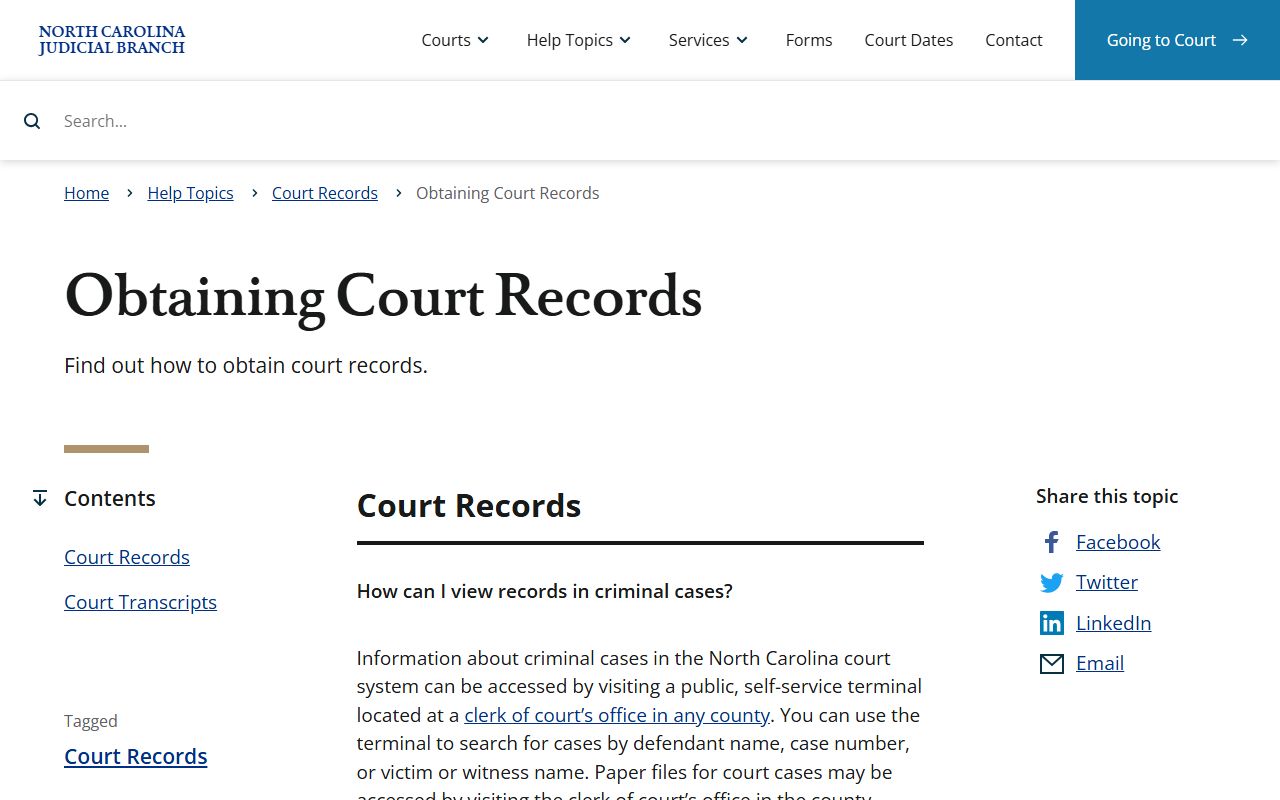
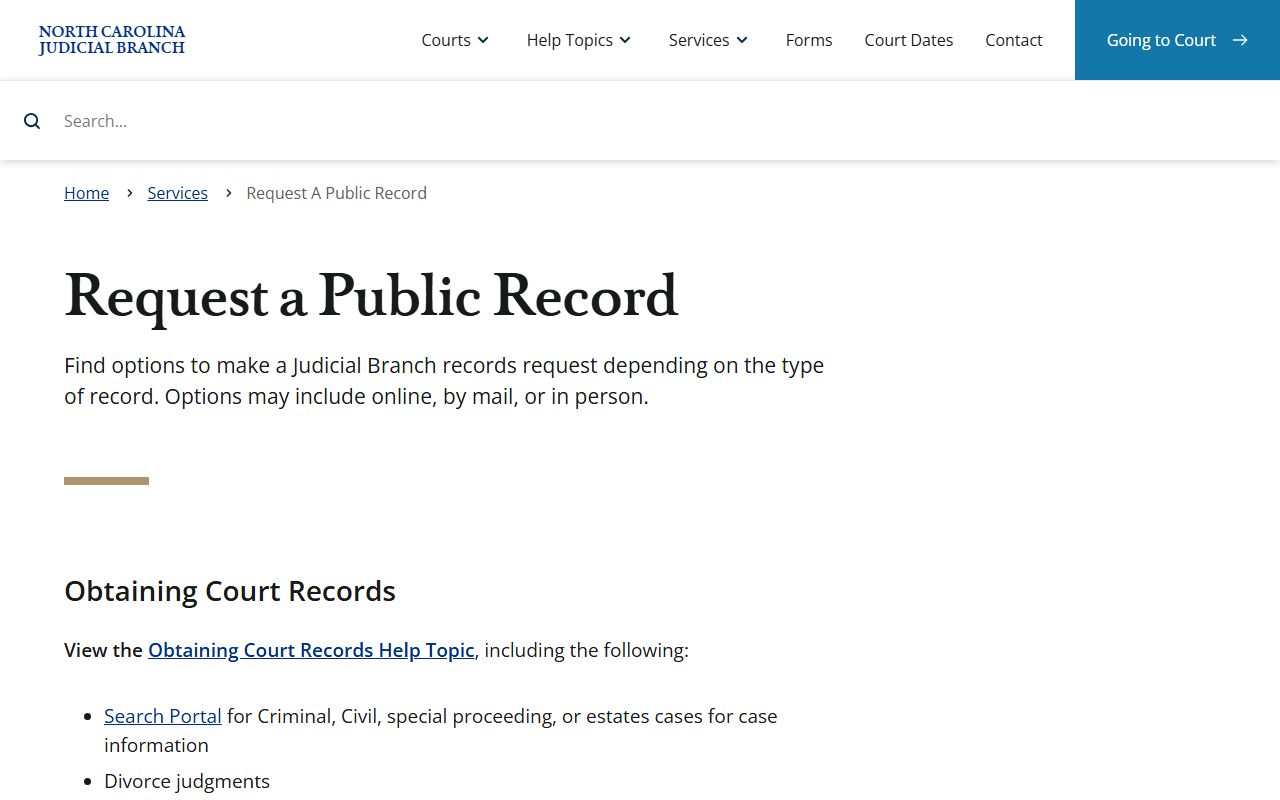
You can also request public records through the NC Courts website. This works for DWI case documents and other court records held by the Administrative Office of the Courts.
Note: Certified copies carry an official seal and are accepted in legal proceedings, while plain copies are for personal reference only.
Are DUI Records Public in North Carolina
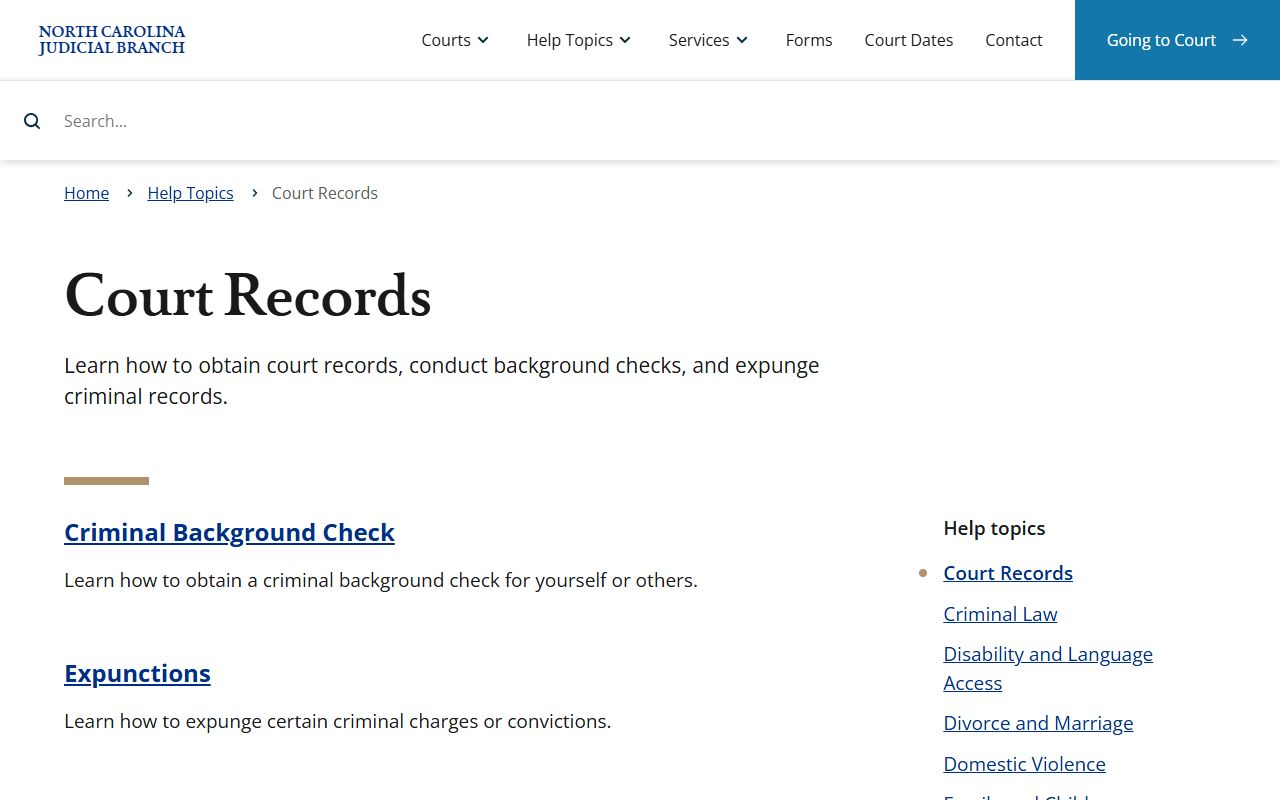
Yes. DUI records are public in North Carolina. The state's Public Records Act gives everyone the right to view government records, and that includes criminal court files. You do not need to be the defendant or a party in the case. Anyone can walk into a Clerk of Superior Court office and ask to see a DWI case file. The NC Courts help page explains what records are available and how to access them.
Some parts of a DUI record may be restricted. Social Security numbers and financial account numbers are redacted from public copies. Sealed records are rare in DWI cases, but a judge can seal files if there is good cause. Most DUI records in North Carolina stay open to the public for good.
DWI convictions in North Carolina generally cannot be expunged. A 2015 law change removed most DWI offenses from expungement eligibility. However, if a DWI charge was dismissed or resulted in a not guilty verdict, you may be able to get it expunged. The NC Courts expunction page has details on the process and forms you need to file.
DWI Background Checks in North Carolina
A criminal background check is the most thorough way to search for DUI records in North Carolina. The Clerk of Superior Court in each county can run a certified search of local records. This search covers all criminal charges filed in that county, including DWI offenses under G.S. 20-138.1. The fee is $25 per name. You can request this in person or by mail using form AOC-CR-314.
For a statewide search, contact the NC State Bureau of Investigation. The SBI maintains a central database of criminal records from all 100 counties. A personal right-to-review check costs $14 and requires a fingerprint card. Mail the FD-258 fingerprint card and your payment to the SBI at Post Office Box 29500, Raleigh, NC 27626-0500. This report will show any DWI convictions recorded anywhere in North Carolina.
The NC Department of Administration and the Administrative Office of the Courts also provide access to public records. These agencies can help you find DUI records and other court documents across the state.
The North Carolina Administrative Office of the Courts oversees court operations in all 100 counties. This office sets the rules for how DUI records are stored and shared with the public.
The North Carolina DAC public records portal is another resource for DUI record requests. This state agency handles public records across multiple departments.
The North Carolina Department of Administration also accepts public records requests. Their office can direct you to the right agency for DUI record searches in North Carolina.
Each of these agencies plays a role in how DUI records are managed across North Carolina.
Browse North Carolina DUI Records by County
Each county in North Carolina has a Clerk of Superior Court that keeps DWI case records. Pick a county below to find local contact info and resources for DUI records in that area.
DUI Records in Major North Carolina Cities
City residents file DWI cases at their county courthouse. Pick a city below to learn about DUI records in that area.